
Canada’s Gold Reserves in 2026: Why Ottawa Sold Its Gold (And What It Means for Canadians)
Canada is one of the world’s biggest gold producers, yet its official gold reserves are effectively zero. Meanwhile, many of the largest economies still hold thousands of tonnes of gold, and central banks have continued buying at historically high levels. In this refreshed guide, I’ll break down what Canada did, what the latest reserve tables show, and how you can think about gold in your own RRSP or TFSA.
- What qualifies for RRSP/TFSA (purity, product types)
- How storage and custody work for registered accounts
- Common mistakes to avoid before you buy
Quick snapshot: who holds the most gold right now?
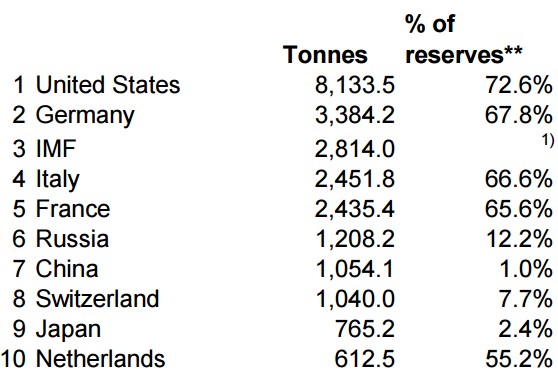
Reserve figures move slowly quarter to quarter, but the pecking order at the top is remarkably consistent. As of September 2025 reporting, the United States remains the largest holder at about 8,133 tonnes, followed by Germany, Italy, and France. Canada shows 0 tonnes on the same table.
Source tables worth bookmarking:
- Trading Economics: Gold Reserves by Country (tonnes)
- World Gold Council: Central bank and official sector data
| Rank | Country | Official gold reserves (tonnes) | Notes |
|---|---|---|---|
| 1 | United States | 8,133 | Largest official holder |
| 2 | Germany | 3,350 | Europe’s largest national holder |
| 3 | Italy | 2,452 | Among the top global holders |
| 4 | France | 2,437 | Long-standing reserves |
| 5 | Russia | 2,330 | Large accumulation since the 2000s |
| 6 | China | 2,304 | Steady reported additions in recent years |
| 7 | Switzerland | 1,040 | Major holder relative to country size |
| 8 | India | 880 | Active official-sector buyer |
| 9 | Japan | 846 | Stable holdings |
| 10 | Turkey | 641 | Recent growth; volatility in flows |
| — | Canada | 0 | Effectively no official gold reserves reported |
Note: Figures above are shown in tonnes and reflect September 2025 reporting on the linked country reserve tables.
Canada “went all out” selling its gold: what actually happened
The headline that shocked people in 2016 was accurate: Canada sold its remaining official gold holdings down to a trivial amount. The Government of Canada’s own reserve disclosures show that it sold 21,851 ounces of gold coins for settlement in February 2016 and that gold holdings stood at 77 ounces on February 29, 2016 (a rounding error in sovereign reserve terms).
- Government of Canada (archived): Official International Reserves, 2016-03
- Government of Canada (archived): Official International Reserves, 2016-02
- Global News: Canada sells off remaining gold reserves (March 2016)
Even more surprising for Canadians is that this was not a sudden “one bad month” decision. The wind-down had been happening for decades. By the early 2000s, Ottawa had already sold the last of its bullion, and by 2016 the remaining coin holdings were sold off in tranches.
What was the Canadian government thinking?
When you strip away the emotions, Canada’s approach comes down to a reserve-management philosophy: keep reserves in highly liquid, interest-bearing foreign currency assets that can be deployed quickly during a crisis. Gold does not pay interest, and it requires custody and logistics.
That said, it’s fair to ask whether “maximum liquidity at all times” is the only sensible approach when gold has historically served as a long-term reserve diversifier. Canada’s choice also looks unusual when you compare it to the rest of the G7, where every other member still holds hundreds to thousands of tonnes.
👍 Possible advantages of holding little or no official gold
- Liquidity-first reserves: foreign currency assets can be mobilized quickly in FX markets.
- Carry income: high-quality short-term government securities can generate interest.
- Simpler operations: fewer custody and audit considerations.
👎 Tradeoffs and criticisms
- Less diversification: gold can behave differently than fiat reserves during stress.
- Perception risk: some investors interpret “zero gold” as a weaker hedge posture.
- Missed optionality: gold can be used as a confidence asset during systemic shocks.
Canada at the bottom with tiny holders
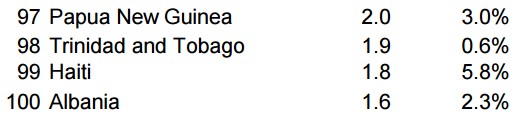
Back in 2016, people joked that Canada would be sitting near the bottom of global reserve rankings alongside countries with very small official gold positions. If you scroll down the country lists today, you’ll still see plenty of nations holding only a few tonnes or less. Canada remains listed at 0.
So who’s been stocking up on gold lately?
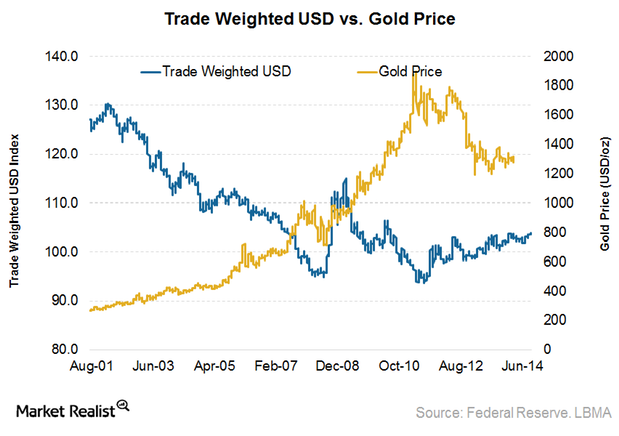
Central banks have been strong net buyers for years, and 2025 was another historically elevated year. The World Gold Council reports total central bank buying of about 863 tonnes in 2025, which is below the 1,000+ tonne pace of the prior three years, but still far above the 2010 to 2021 annual average.
- Poland was the largest reported buyer again, adding about 102 tonnes.
- Kazakhstan added about 57 tonnes.
- Brazil re-entered the market and added about 43 tonnes.
- Turkey added about 27 tonnes (based on data available at the time of reporting).
- China reported about 27 tonnes of net purchases, taking reported reserves to roughly 2,306 tonnes.
You can read the full breakdown here: World Gold Council: Gold Demand Trends, Central Banks (Full Year 2025).

What this means for Canadian investors in Toronto, Vancouver, Calgary, and beyond
Canada’s official reserve choice does not prevent you from owning gold personally, and it doesn’t stop Canadians from holding eligible bullion inside registered accounts. If anything, it’s a reminder that sovereign policies and personal retirement planning are different games.
If you’re exploring gold for retirement diversification, these pages on GoldRRSP.ca can help you map your next step:
- Why add gold to your RRSP?
- TFSA or RRSP: where to put your money and your gold
- RRSP contribution limit: what you need to know
- Step-by-step guide to setting up a Gold RRSP
- Buying gold in Canada: the complete guide
- How you can avoid gold fraud
- Gold pricing
Important detail: not all “gold” qualifies for RRSP/TFSA custody
In Canada, eligibility rules matter. A practical rule of thumb is that investment-grade bullion must meet minimum purity requirements (for example, gold bullion is typically referenced at 99.5% purity or higher). Two solid official references:
- Government of Canada: 2005 amendment allowing investment-grade precious metals in RRSPs
- Canada Revenue Agency: Income Tax Folio on qualified investments
If you want a plain-English explainer from a Canadian institution, the Royal Canadian Mint also summarizes the concept here: Royal Canadian Mint: Holding gold in a TFSA or RRSP.
In conclusion
Canada’s decision to run official gold reserves down to effectively zero is still an outlier among its closest peers. At the same time, global central banks continue to treat gold as a long-term reserve diversifier, even after a strong price run. The practical takeaway for most Canadians is not to copy Ottawa’s balance sheet, but to understand your diversification options and how registered accounts can fit into a long-term plan.
FAQ: Canada gold reserves and Gold RRSP basics
Does Canada really have zero gold reserves?
Canada’s own reserve disclosures showed gold holdings falling to a tiny amount in early 2016, and many country reserve tables list Canada at 0 tonnes today. In practical terms, Canada does not maintain a meaningful official gold reserve position.
When did Canada sell its last gold?
In the Government of Canada’s February 2016 reporting, Ottawa disclosed the sale of 21,851 ounces of gold coins for settlement and noted that gold holdings stood at 77 ounces on February 29, 2016.
Why would a country prefer foreign currency assets over gold?
Reserve managers often prioritize liquidity and the ability to deploy reserves quickly during market stress. High-quality foreign government securities can also generate interest income, whereas gold is primarily a non-yielding reserve diversifier.
Do Canada’s official gold reserves affect the Canadian dollar?
The Canadian dollar is influenced more directly by interest rates, inflation expectations, oil and commodity cycles, and global risk sentiment. Gold reserves can matter at the margin for confidence and diversification, but they are not a day-to-day driver of CAD pricing.
Can I hold physical gold in a Canadian RRSP or TFSA?
It can be possible in certain self-directed structures, but the metal must meet eligibility rules and typically must be held by an approved custodian rather than stored at home. Always confirm product eligibility and custody requirements before buying.
What purity of gold and silver typically qualifies for registered accounts?
Investment-grade bullion is commonly referenced at minimum fineness levels (for example, gold at 99.5% and silver at 99.9%). Use official sources and your custodian’s product list to confirm eligibility for your specific account setup.
What’s the safest way to avoid getting scammed when buying gold?
Stick to established dealers, verify purity and product specifications, be cautious with “too good to be true” pricing, and understand delivery, storage, and buyback policies upfront. Start with our guide on how to avoid gold fraud.
How much gold should I own in my overall portfolio?
There’s no one-size-fits-all number. A practical approach is to think in terms of risk management and diversification rather than trying to “beat the market” with gold. If you want a deeper discussion, see what percentage of your investments might be allocated to gold and precious metals.
Where can I track gold prices easily in Canada?
You can start with our simple page for gold pricing and then compare quotes across reputable dealers before placing an order.
Will Your Retirement Weather the Next Financial Crisis?
Gold has been used as an inflation hedge and a way to preserve wealth for millennia. We partnered with Silver Gold Bull, Canada's top-rated gold company (with over 280,000 five-star reviews), to offer Canadians a low-cost and tax-advantaged way to buy gold and silver through an RRSP/TFSA or another retirement plan.
Request More Info
Website: www.SilverGoldBull.ca
Speak to an Expert: (877) 707-4707

About Wesley David
Copyright 2026 Gold RRSP - Helping Canadians invest in physical bullion for retirement
